1. Chairman’s Statement
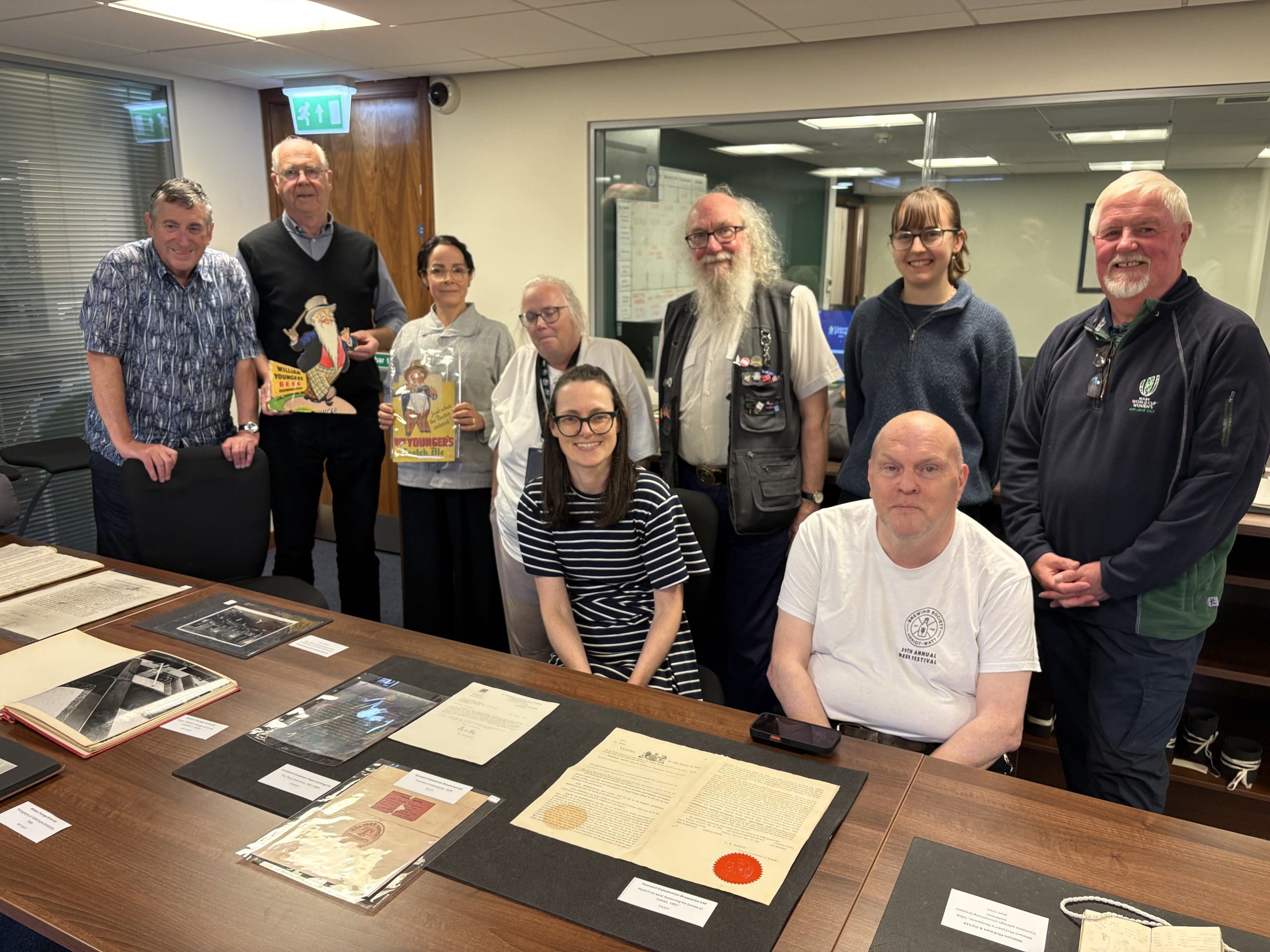
Many thanks to Clare Paterson, Kath Roper-Caldbeck and Anna for preparing and presenting a display of brewing artefacts for our recent SBAA members visit to the archive at the University of Glasgow. The presentation gave a good insight into the business archive, including the brewing collection and how to conduct research using the Glasgow University website.
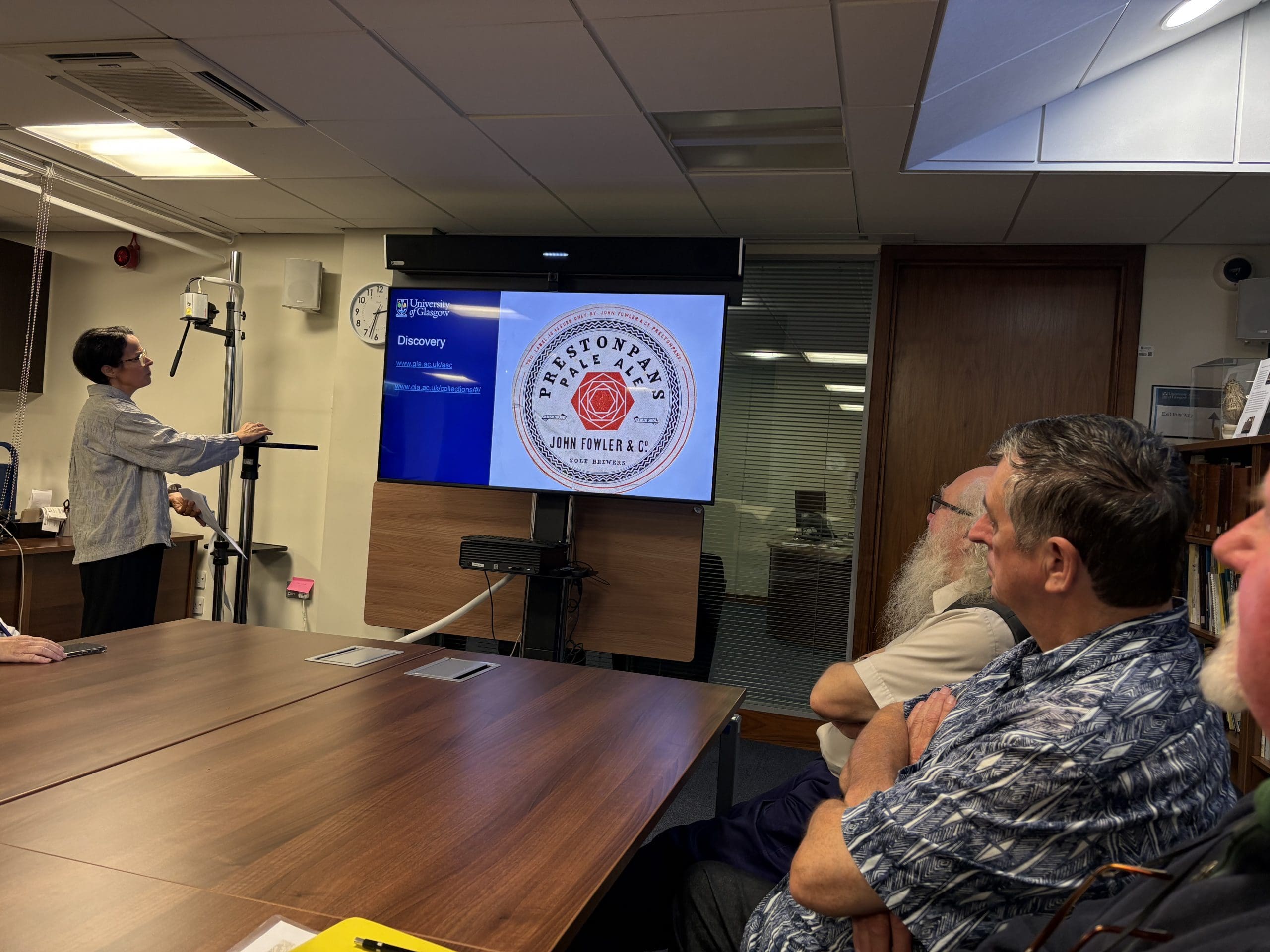
Please read later for a reminder on how you can use the research facility. This information was first shown in the 2024 newsletter No. 60.
On the SBAA website, under Contacts, you can click on the Collection guide and to Book a visit.
You will be pleased to know that the SBAA Journal is almost complete, and our new editor, Jennie Renton, is making the final touches before going to print. Many thanks to those who provided articles for this year’s Journal.
Details for the SBAA AGM are included under Last Runnings, and I am looking forward to welcoming as many as possible at our new venue.
Before signing off, I would like to thank our members who have renewed their SBAA membership. However, I was disappointed to learn that several members have not renewed, following numerous reminders. The lifeblood of the SBAA is through our members.
2. Tennent’s Lager Brewing Book – 1944-45
During research into a future SBAA article on the history of Tennent’s Lager Brewhouses, former head brewer George Haigh produced a book that he had discovered, along with others, back in the 1970s. Most had suffered water damage and frustratingly were carelessly destroyed. Fortunately, George took the 1944 Lager brewing book home “to see what was brewing the day he was born” and it survived. The book was not only impressive in physical size (see photo) but also content as it documented each individual brew in detail through 1944 into early 1945.
At that time Tennent’s operated two brewhouses, the Ales and Stout brewhouse and the so called ‘German’ brewhouse which exclusively produced Lager. The book shows that two lagers were being brewed “Home Sale Lager” OG 1034 and “Export Lager” OG 1042 the gravities reduced by a few degrees, compared to pre and post war levels to conserve materials during rationing. What was of specific interest was the mashing regime that was being deployed.
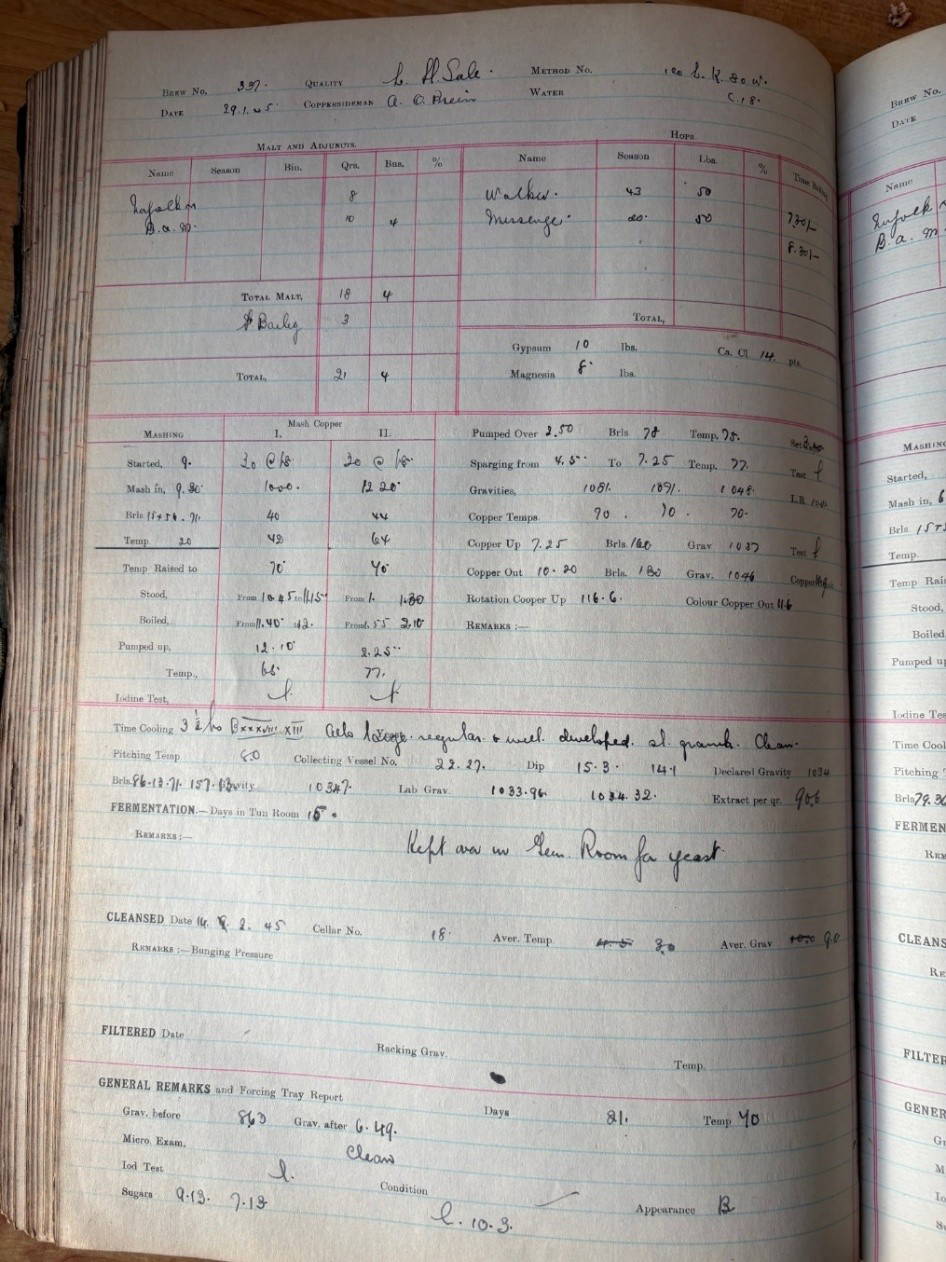
A typical page showing the brewing of Home Sale Lager
We were aware that the original lager brewhouse designed by Riedinger of Augsburg in 1889 had specified a ‘double decoction’ mashing regime. However, due to the lack of brewing records from the first half of the 20th Century, it was unclear if the same process was still being employed in the 1940s. With the assistance of SBAA member and renowned brewing author Ron Pattinson, it was established that the ‘double decoction’ regime was intact using the original equipment along the following lines:
A mash of some 70 brls. was prepared at 20 degrees centigrade in the mash TUN.
Mash 1. A portion of the mash was transferred to the smaller mash COPPER and with the addition of hot liquor resulting in a temperature of 45º, raised to 70º, stood for 55 minutes, boiled for 15 minutes, then returned to the mash TUN, raising the temperature of the whole mash to 64º.
Mash 2. Almost immediately, 15 barrels of mash is again transferred from the mash TUN to the mash COPPER along with 30 barrels of water at 65º resulting in a temperature of 63º, raised to 70º, stood for 55 minutes, boiled for 15 minutes, then returned to the mash tun, raising the temperature of the whole mash to 77º.
The wort is then moved from the mash tun to the wort kettle.
This method of graduated temperature increase enabled the breakdown of proteins and starch using the natural enzymes in the malted barley.
This was evidence that Tennent’s were still using the traditional Double-Decoction method favoured by Bavarian and Pilsen brewers in the 19th Century, credited with giving the beer a better malty mouthfeel, golden clarity and a creamy head.
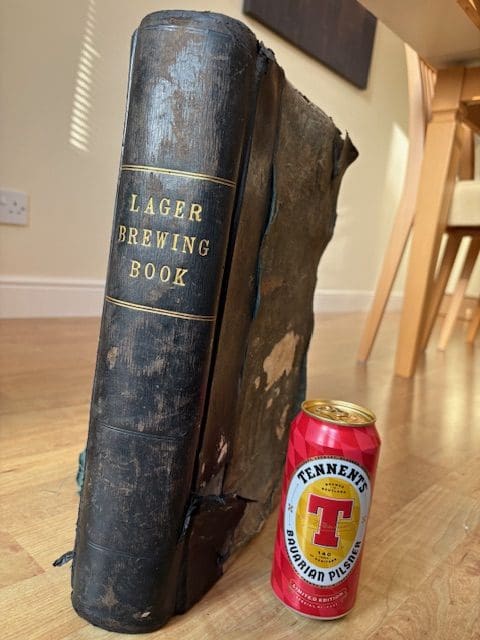
The impressive size of the lager book.
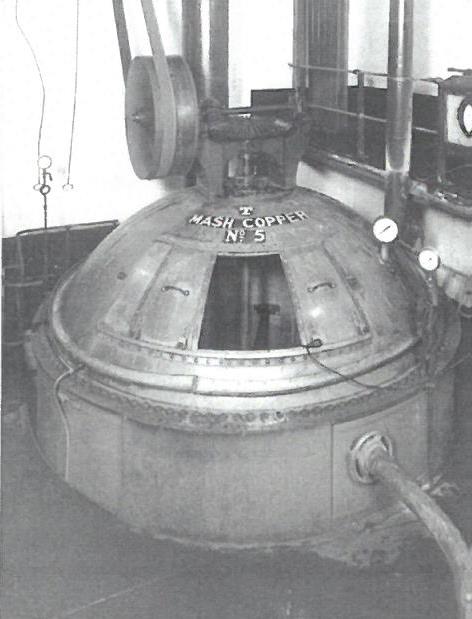
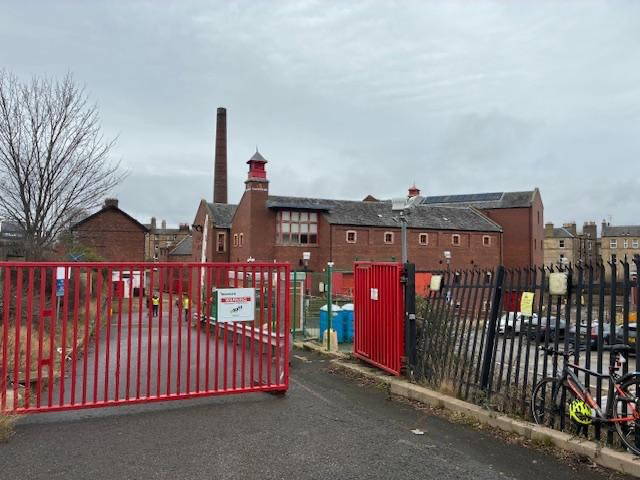
The mash copper used in the process.
The book will be eventual held as part of the Tennent’s collection at the Scottish Brewing Archive at the University of Glasgow.
3. Capital Brewing – Book Launch
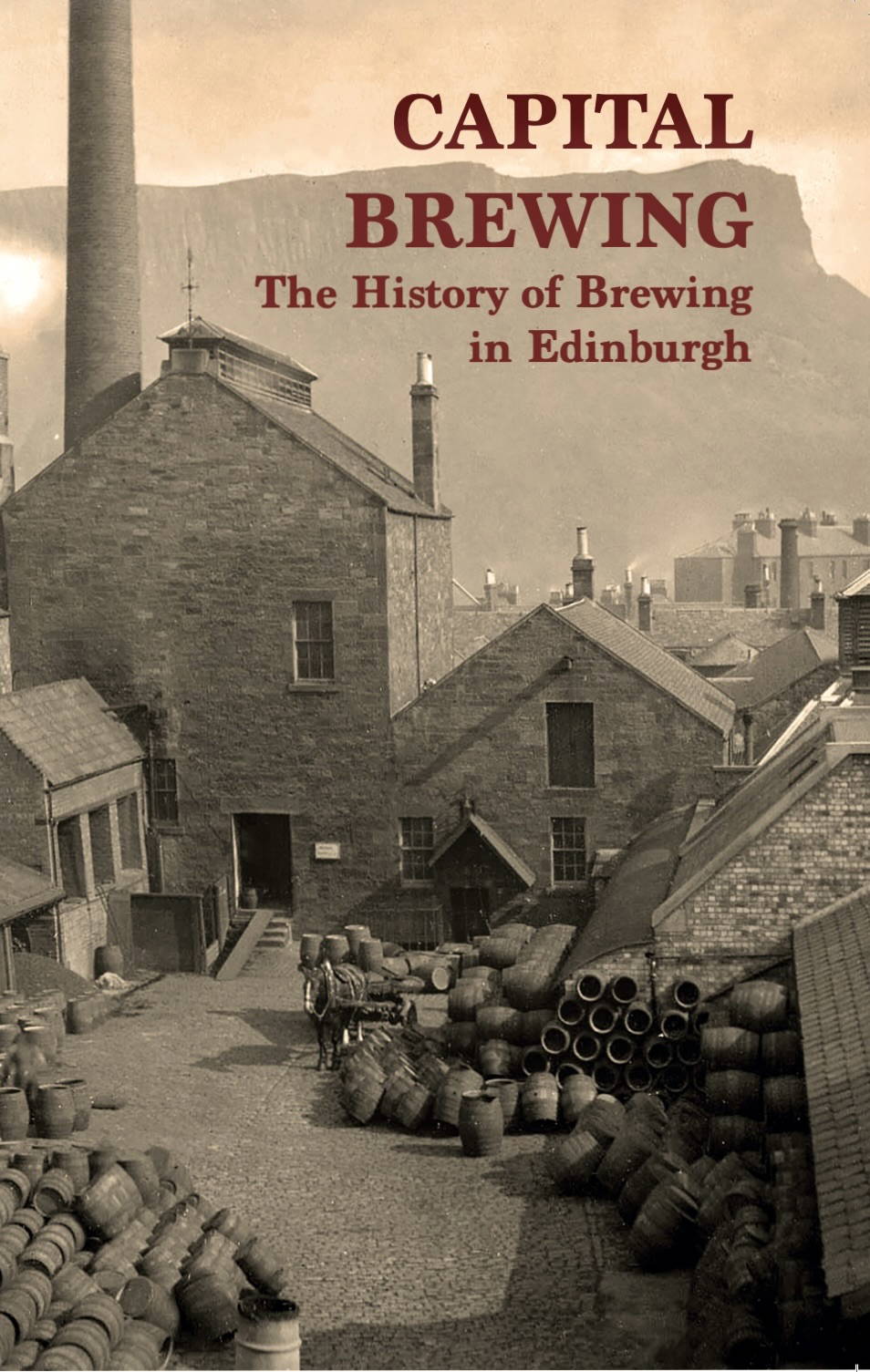
Many thanks to everyone who attended the book launch of Capital Brewing: The History of Brewing in Edinburgh. The book is dedicated to the late Sir Geoff Palmer, the person responsible for the formation of the Scottish Brewing Archive.
John Martin opened the proceedings by welcoming everyone and giving a short talk on the contents of the book. This was followed by two guest speakers. Andy Arthur told the fascinating story of Edinburgh’s great beer duty fraud and was followed by Elliot Lamb, who gave us an insight into Cold Town beers.
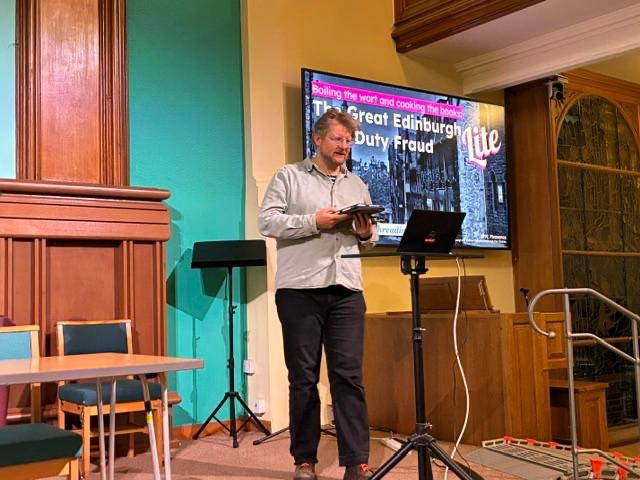
Andy Arthur
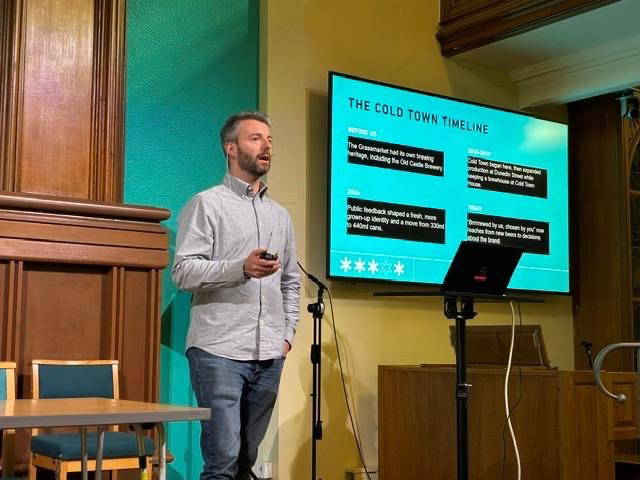
Elliot Lamb
Following the talks, copies of the book were handed out, and Cold Town provided a selection of their beers, which were enjoyed by everyone.
This event was attended by approximately 60 people.
Difficulties have been encountered over the last 2 months in establishing a means of making the book available for a wider audience to purchase. As a result of these problems, the SBAA is looking at alternative means. The book will eventually be available to buy, with details appearing on the SBAA website.
4. 1488 Whisky Beer
I visited Blair Castle recently, where I found out that the oldest known whisky was discovered behind a hidden cellar door in 2022. Twenty-four bottles were auctioned and sold for over £385.000, that is an average price of £16,000 per bottle. When I was walking through the Castle gift shop, I noticed that bottles of Tullibardine whisky were on sale. This reminded me of the 1488 whisky beer story.
The Black Wolf Brewery did produce a beer in partnership with the Tullibardine distillery, as a reminder of Scotland’s proud history, and was simply named 1488.
It was in 1488 that James IV of Scotland, on his way to his coronation at Scone, stopped at a brewery in Blackford near Perth to buy beer from the local brewery for the celebrations after he was crowned King. This was the first known recorded public purchase of beer in Scotland. In 1503, the brewery received the first Royal Charter issued by King James IV in recognition of its beer brewed at Tullibardine.
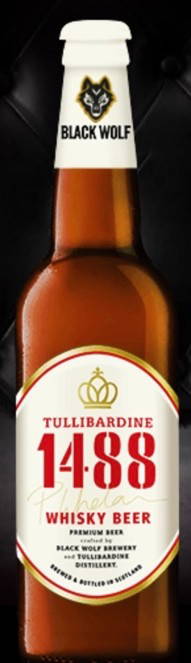
The Black Wolf Brewery was originally the Traditional Scottish Ales (TSA), which was established in 2005. In 2019, the Isle of Skye brewing company acquired the Black Wolf Brewery. As far as I can tell, Black Wolf Brewery is now closed, although its website is still open.
This beer has an ABV of 7% and is conditioned in oak casks that were previously used to mature Tullibardine single malt Scotch whisky. Who would have thought of bringing together Scotland’s two national drinks, and with it the story of part of Scotland’s history.
John Martin
5. Discovering the brewing collections at the University of Glasgow
We are delighted to share the news that the brewing archives held by Archives & Special Collections are now fully discoverable online through our Collections portal.
Thanks to funding from the SBAA, our team were able to complete the task of making the full details of the around 170 collections relating to the Scottish brewing industry discoverable online. Much of this work had been undertaken by students on the University’s Information Management & Preservation course, but that extra Association funding provided the dedicated resource to tackle the remaining 40 collections that needed dedicated attention.
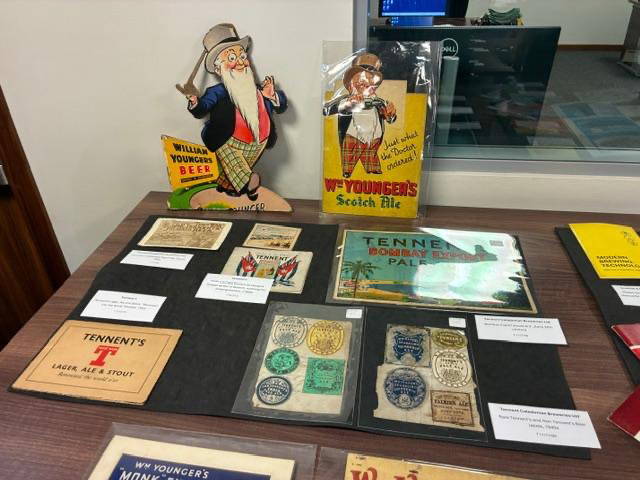
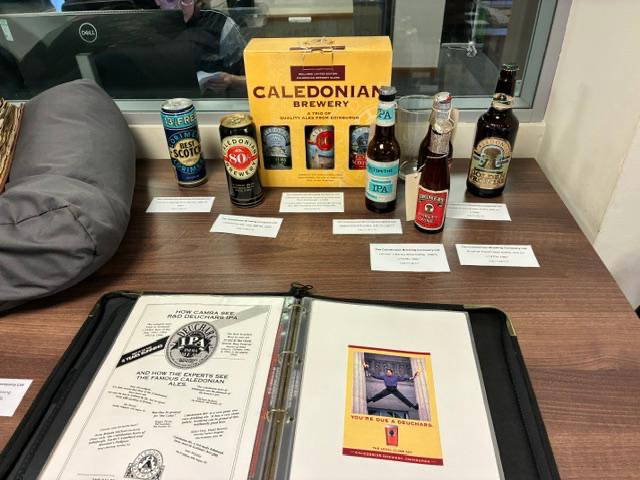
Example of items held at the University Archive
So, through Glasgow Collections (collections.gla.ac.uk), the records of Scotland’s brewers can be discovered, alongside the breadth of the University’s rich and diverse museum, archive, and rare book collections which span many centuries and cover all aspects of human life.
To get started, use the search box on the home page: you can be as specific or general as you wish. Enter the term ‘brewing’ to get the widest set of results; or be specific with the name of a particular company, ‘William Younger’ for example.
You can then refine and work through the results returned to discover the archives in detail. If there are collections that are of interest to you, you are welcome to visit us to consult them. Details of ways to get in touch or to book a reading room visit are available on our website (www.gla.ac.uk/asc).
A drinks industry source guide is available, providing direct links to the catalogue for each collection relating to beer and whisky in our collection.
Clare Paterson & Kath Roper-Caldbeck
University of Glasgow, Archives & Special Collections
6. Black is Back
In the 1980s Black Stout was almost disappearing from the drinks market, market leader Guinness had around 3% of the beer market which was dominated by the growing Lager brands across the UK. Fast forward to 2026 and Guinness have almost 18% market share and given the diversity of today’s beer market it finds itself the biggest selling beer brand in the UK.
This amazing turn around has been attributed to several factors, product quality and consistency, clever advertising, the success of the Guinness brewery tours in Dublin and the internet sensation “Splitting the G” which has attracted a younger generation to the brand.
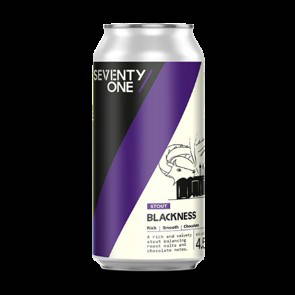
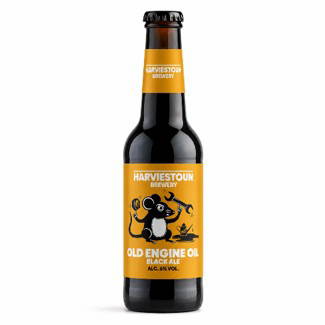
Scottish breweries were of course historically Ale and Stout brewers. Tennent’s have stout brewing heritage dating from the 18th Century and have detailed brewing records in the Scottish Brewing Archive. Virtually all other Scottish brewers had Stouts in their portfolio. Keen to capture part the current upward trend for Stouts, some of our corporate member have Stouts on offer:-
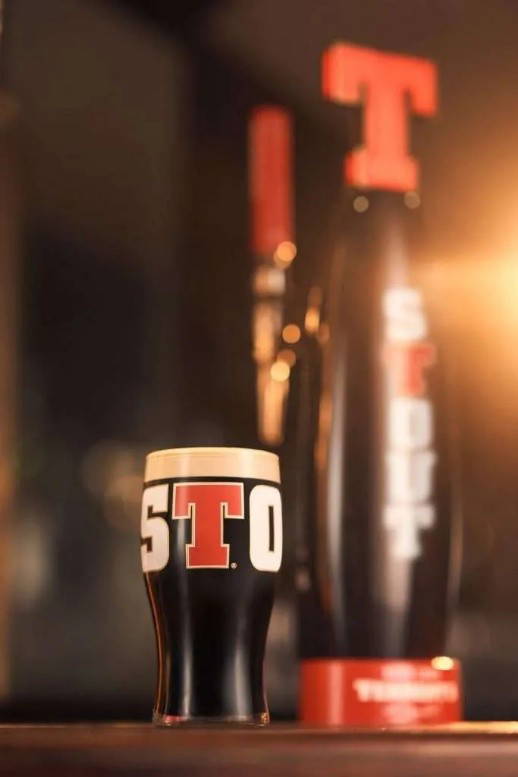
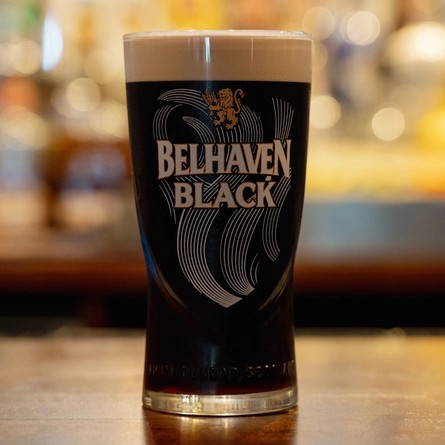
Recently launched Tennent’s Draught Stout and the highly regarded Belhaven Black.
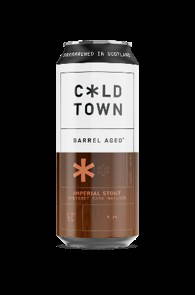
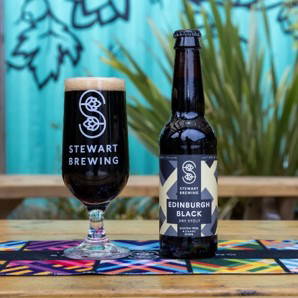
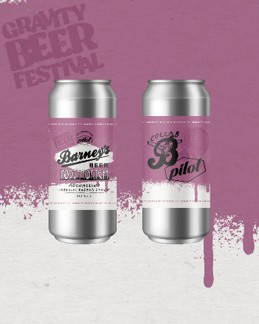
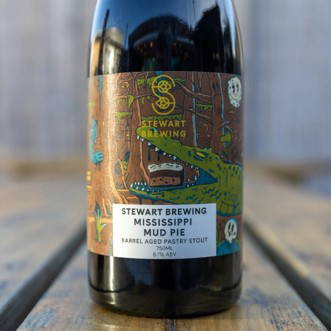
If you are a bit more adventurous take a look at our smaller corporate brewers websites. They have a range of interesting stouts, including Imperial Stout at 9.4% ABV from Cold Town and Mississippi Mud Pie Stout in a 750ml presentation bottle from Stewart Brewing.
7. Last Runnings
 SBAA AGM – Thursday 12th November 2pm-4pm Edinburgh.
This year’s AGM will be held on the 12th November at the Cold Town House in the Grassmarket, Edinburgh, starting at 2pm. This should prove to be an excellent venue, located on the first floor at the “Pizza and Microbrewery event area” in the heart of Cold Town Brewing at the foot of the Grassmarket. If you plan to attend, and we hope you do, can you please inform our secretary for catering purposes. After the business end of the AGM, Andy Arthur will give a talk on the “Roadhouse” era of Edinburgh pubs.
If you would like to attend, please inform the Secretary, by 26th Oct. secretary@scottishbrewingarchive.co.uk
Welcome new member
Ian McAnally from Dunfermline and Neil Spake for renewing all the way from Austin Texas.
McEwans ?
The once famous Scottish Beer name McEwan’s has been in the news recently. The brand is currently owned by Carlsberg Britvic which announced the closure of their Marstons Brewery at Burton on Trent – the home of their traditional ale and cask beer production. In a letter to CAMRA the CEO of Carlsberg Britvic said “This proposal does not mean that Carlsberg Britvic is withdrawing from ale. We will continue to sell and support ale brands including Hobgoblin, McEwan’s and Brooklyn, and remain committed to the UK beer and pub sector.”
Correspondence to the SBAA Secretary secretary@scottishbrewingarchive.co.uk
SBAA Newsletter No. 69 – Oct. 2026